

Video highlights
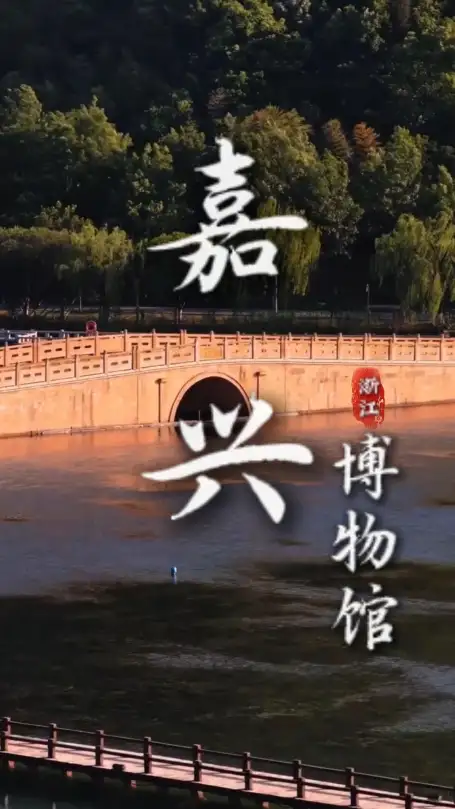
- We recommend visiting the Majiabang Culture Museum in the morning and Jiaxing Museum in the afternoon.
- The Majiabang Culture Museum displays prehistoric artifacts such as stone tools, red pottery, and black pottery.
- Rice cultivation relics in the museum show that early Jiaxing residents were growing rice 7,000 years ago.
- The recreated scene area uses lighting and sound effects to bring ancient fishing, hunting and farming life to life.
- Jiaxing Museum exhibits Liangzhu jade, Wu and Yue bronzeware, Tang and Song dynasty porcelain, and more.
- The water town folk customs gallery at Jiaxing Museum recreates traditional street life and wedding customs.
Video transcript
Auto-generated from the video audio, some words may be inaccurate
View full transcript
How deep is Jiaxing's history?
Seven thousand years ago,
the ancestors of Majiabang
were already living here.
Set aside a day
to walk from the Majiabang Museum
to Jiaxing Museum
and explore the past and present of this city
all at once.
The two museums are close together
and their content flows naturally from one to the other.
One traces the origins of Jiangnan civilization 7,000 years ago,
while the other showcases a millennium of urban change in Jiaxing.
Start your morning at the Majiabang Culture Museum.
This is the birthplace of Jiangnan civilization
and the perfect place to begin your journey into the past.
The building itself is grand yet minimalist,
with an atmosphere of rustic weight.
The main highlight inside
is the large collection of prehistoric artifacts unearthed locally.
The galleries display distinctive Majiabang stone tools,
stone chisels and bone spades,
along with all kinds of red and black pottery vessels.
Their primitive, unadorned shapes
let you directly appreciate the wisdom of ancient daily life.
There are also many exhibits on rice cultivation remains,
showing that people in Jiaxing
were already growing rice 7,000 years ago.
Jiaxing is the birthplace of Jiangnan rice-farming culture.
Beyond the artifacts,
the most interesting part is the scene reconstruction area,
which recreates ancient swamp environments
and scenes of fishing, hunting and farming.
Paired with lighting and background sound effects,
it feels like stepping back into ancient Jiangnan.
You can clearly see
how people cooked,
fished and hunted,
and made pottery—
vivid and engaging.
The gallery layout is easy to follow.
After finishing at the Majiabang Museum,
head to Jiaxing Museum in the afternoon
to discover even more highlights.
Jiaxing Museum offers richer content,
covering everything from prehistoric cultures
to modern times.
Following the chronological route
makes for a very engaging visit.
Cleverly, the opening gallery
connects directly to Majiabang culture,
displaying prehistoric artifacts from the same series
that echo what you saw earlier,
so you can clearly trace the inheritance and evolution of civilization—
the historical thread suddenly clicks into place.
Further inside, Liangzhu jade,
Wu-Yue bronzes,
and Tang and Song porcelain appear in sequence,
with exquisite craftsmanship
and fine details
that invite slow appreciation.
A must-see is the water town folk customs gallery,
which recreates
old street life in Jiaxing,
Grand Canal commerce
and water town wedding customs.
Old objects and vintage scenes
are all here,
full of everyday charm.
You'll also find
exhibits related to local figures,
offering insight into Jiaxing's long tradition of scholarship.
The museum features plenty of interactive displays
combining text, images and real objects,
keeping the visit relaxed and never dull.
Visiting both museums together
is rewarding because the history connects so smoothly.
At the Majiabang Museum,
focus on the mystery of early civilization,
the ecology of ancient Jiangnan
and the daily lives of its people.
At Jiaxing Museum,
take your time admiring exquisite artifacts from every era
and soaking in the prosperity and cultural depth of this water town.